Inside the Making of Cabrillo’s Newest Field Trip: “Our Urban Watershed”
A new ranger-led field trip is joining Cabrillo National Monument’s lineup of education programs. Fittingly titled “Our Urban Watershed,” the program was developed by Cabrillo National Monument Science Educators, Hannah Marquez and Sam Buck, to help students better understand San Diego County’s watersheds, how pollution moves through the environment, and the role they can play in protecting local waterways.
Each year, Cabrillo’s education team develops new curriculum around an NPS selected topic. This year’s “water and watersheds” focus gave Hannah and Sam a broad starting point for the new field trip. From there, they began thinking about what that experience could look like at Cabrillo. How could students learn about San Diego County’s watersheds while standing in a place where they could actually see the waterways surrounding them? And how could they make something as complex as water pollution visible, tangible, and memorable?
Answering those questions took months of research, experimentation, and testing.
Designing the Activity
From the beginning, Hannah and Sam knew they wanted to create an activity that would allow students to see how water and pollutants move across a landscape for themselves. One of their early ideas took inspiration from a watershed activity used in an indoor aquarium classroom. It used a sheet of plastic that could be crumpled and shaped to create a landscape, then sprayed with water to demonstrate runoff. At Cabrillo, however, field trip learning takes place outdoors, where a flexible sheet of plastic would not be sturdy enough to withstand the park’s high winds.
They experimented with paper, foil, and different plastics. They tested food coloring, markers, and other ways to represent pollution. They considered how easily materials could be cleaned and how well they could withstand repeated use.
Eventually, they found a moldable thermoplastic that begins as small pellets and softens in hot water. Hannah and Sam can shape the material into miniature landscapes complete with mountains, hills, valleys, and river channels. Once hardened, the models are sturdy enough to draw on, spray with water, wash clean, and use again with the next field trip.
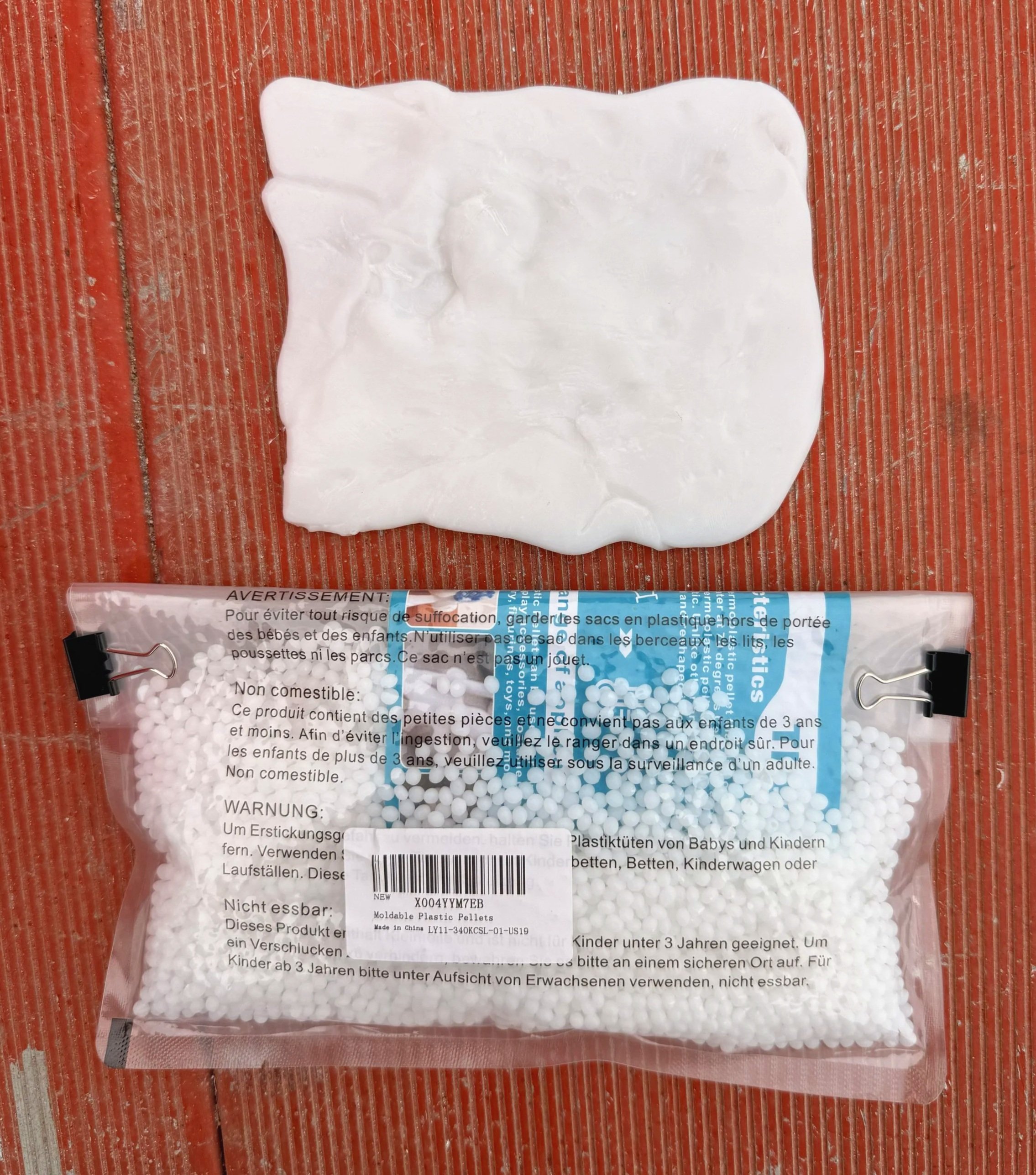
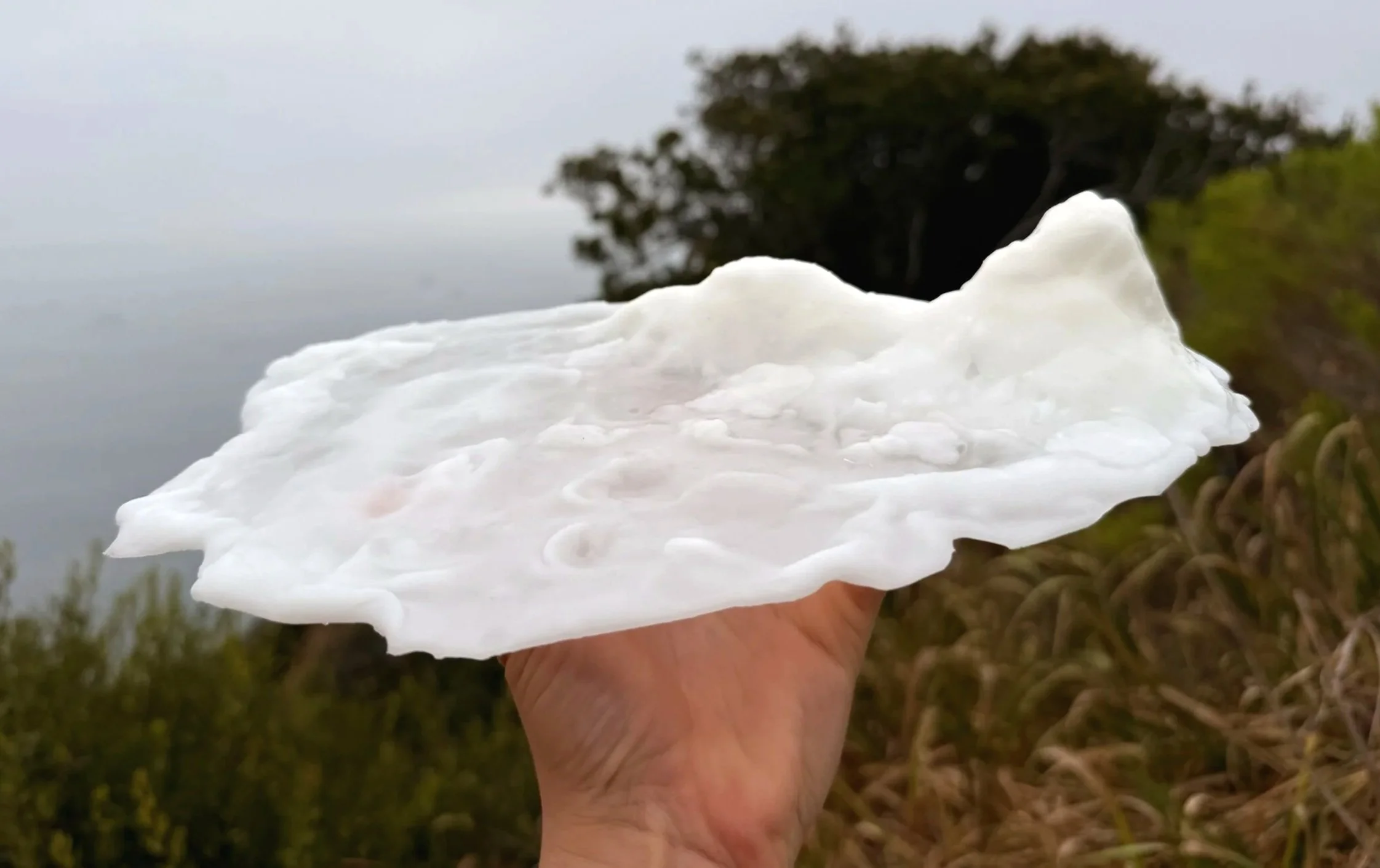
Comparable premade watershed models can cost close to $1,000 each. By designing and constructing their own, Hannah and Sam reduced the cost to approximately $20 per model and created an activity suited specifically to Cabrillo’s outdoor education program.
With the hands-on activity taking shape, Hannah and Sam built the rest of the field trip around the landscape students would be exploring firsthand.
The Field-Trip Experience
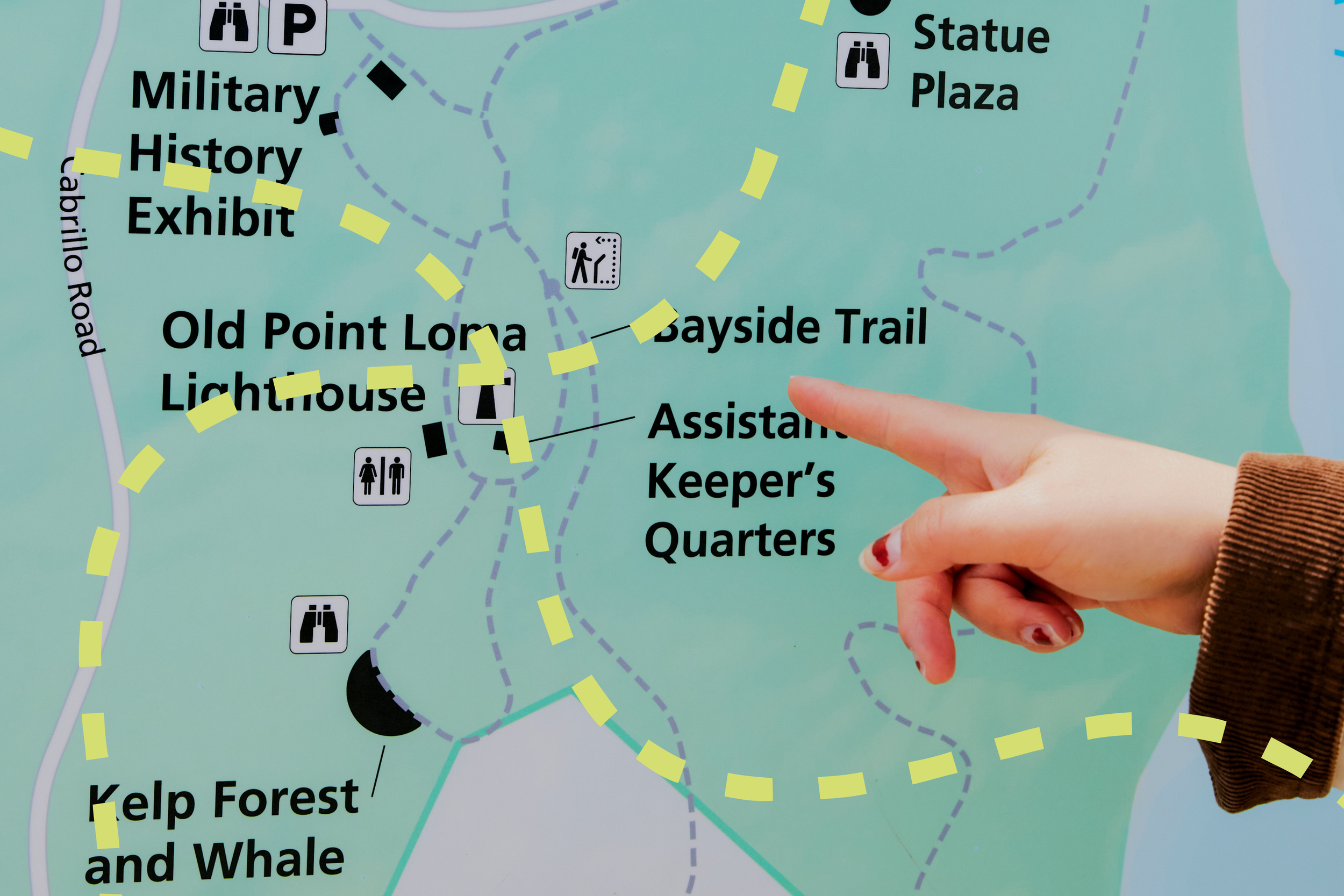
The “Our Urban Watershed” field trip begins with a guided walk toward the Old Point Loma Lighthouse. Along the way students will learn how native plants have adapted to San Diego’s dry conditions, visit the historic water catchment basin, look out across the surrounding waterways, and consider the journey water takes as it moves through a watershed and eventually reaches the Pacific Ocean. Then, at the end of the walk, the students will put those concepts into action using the models designed by Hannah and Sam.
Working in groups of 2-3, students will use washable markers to add examples of human activity and pollution to their miniature plastic landscapes. For example, they might draw roads and homes in red, pet waste in orange, motor oil in purple, and fertilizer in green. Then, with spray bottles filled with water, they will make it “rain.” As the water moves downhill, students will watch the marker colors move with it, flowing through channels, mixing together, and pooling in waterways.
“They will get to kind of see how human activities impact watersheds on their own little scale,” Sam explained.
As students watch water flow through the model, they can see for themselves the full cycle of how pollution moves through a watershed -- from household waste to runoff collecting in our waterways.
This new field trip will join Cabrillo’s existing menu of ranger-led education programs available to schools and homeschool groups.
Funded by Cabrillo National Monument Foundation, this field trip was made possible by donor support. Thank you for helping Cabrillo’s educators develop new curriculum and create meaningful, hands-on learning experiences for thousands of students each year.
Interested in bringing your students to Cabrillo? Make a Ranger-led field trip reservation here.