
70 Years of Support: The History of Cabrillo National Monument Foundation
Seventy years ago, a small group of volunteers came together to support the young Cabrillo National Monument at the edge of San Diego Bay. Convening officially in 1956 as the Cabrillo Historical Association (CHA), the organization now known as as Cabrillo National Monument Foundation has grown alongside the park itself; evolving from a modest lighthouse bookstore operation into a key partner supporting education, preservation, and visitor experiences at San Diego’s only national park!
1956: Supporting a Young National Monument
The CHA’s inaugural year was a period of transition and growth for both Cabrillo National Monument and San Diego itself.
In 1956, Cabrillo was still a small park with limited facilities. The Old Point Loma Lighthouse was the Monument’s primary public feature, and restoration efforts were only beginning to take shape following the transfer of Cabrillo National Monument to the National Park Service in 1933.
Cabrillo Historical Association Giftshop in the Old Point Loma Lighthouse
By the mid-1950s, rising visitation across the national park system prompted the National Park Service to launch Mission 66, a nationwide effort to modernize visitor facilities. Cabrillo National Monument was selected to receive Mission 66 funding for the construction of a visitor center, signaling a new era of growth at the park. It was during this time of change that community members began organizing to provide direct support to Cabrillo.
The CHA’s first organizational meeting was held on December 5, 1955, and it was formally incorporated as a nonprofit on Feb 9, 1956. Early CHA business centered around operating a small bookstore inside the Old Point Loma Lighthouse — selling postcards and souvenirs to visitors. Cabrillo Historical Association volunteers and part-time staff also “assisted the National Park Service employees by answering phones, serving as receptionists for lighthouse visitors, and performing limited typing duties.” (Cabrillo Historical Association, 3)
In 1969, the CHA’s role expanded to include direct financial support.
“The National Park Service Director established a special cooperating association donation fund to purchase items that the government could not buy, either because of procurement regulations or lack of funds, The recommended formula was established at 1% of total revenue, plus 1% of net profit. This amounted to about $600 for the Cabrillo Historical Association, and the Board approved this expenditure in 1969.” (Cabrillo Historical Association, 22)
This funding stream was used over many years to support projects such as the Cabrillo Festival, improvements to visitor center display and storage areas (1970–1972), and the salary of a National Park Service uniformed information specialist to staff the visitor center information desk.
These early efforts established a pattern that would continue for decades: when the park’s needs exceeded available federal resources, the Cabrillo Historical Association stepped in to help fill gaps and improve the visitor experience.
Publishing San Diego’s Stories
Publications were among the Cabrillo Historical Association’s earliest and most sustained areas of work.
In the years following its founding in 1956, the Association began producing and supporting written materials that helped tell the stories of Cabrillo National Monument for a growing audience. Early publications focused closely on the park itself -- providing visitors and residents with accessible, research-based context at a time when interpretive resources were limited.
The Association’s first publication was released in 1962, just seven years after its incorporation. Titled “Whale Primer” and written by Dr. Theodore Walker, the booklet reflected growing public interest in marine life visible from Cabrillo’s coastline. Within its first month, more than 1,600 copies were sold, signaling both strong visitor demand and the potential impact of the Association’s publishing efforts.
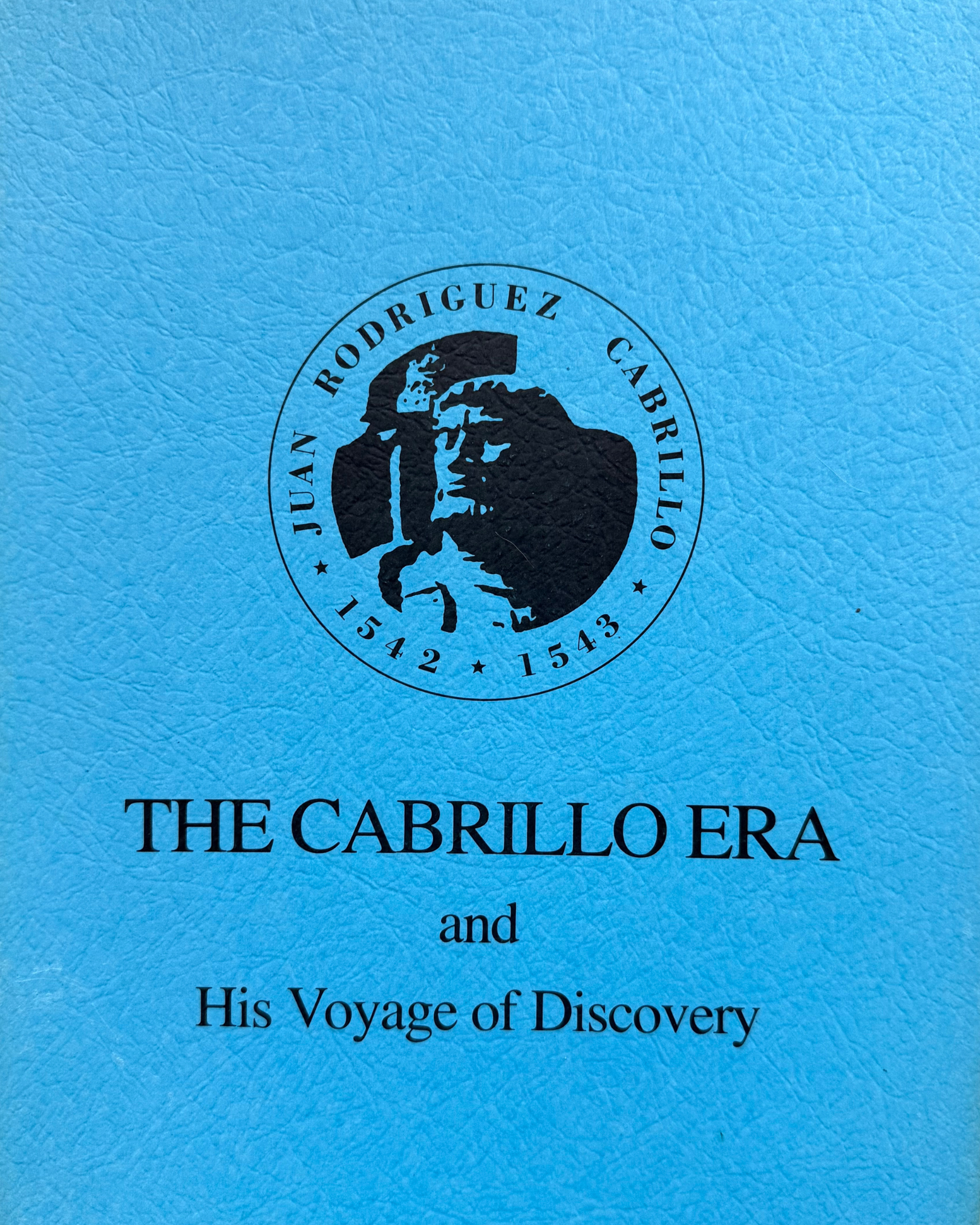
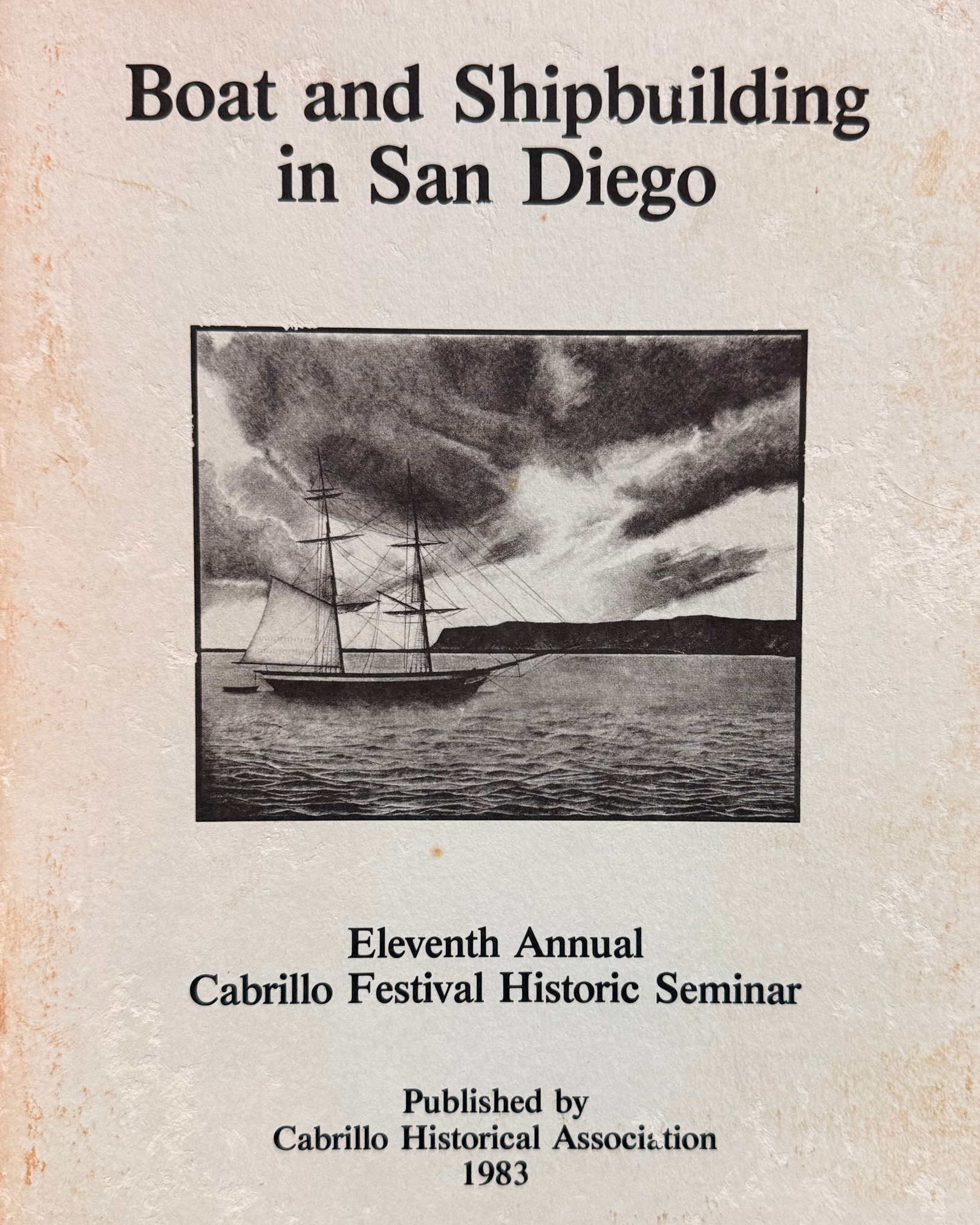
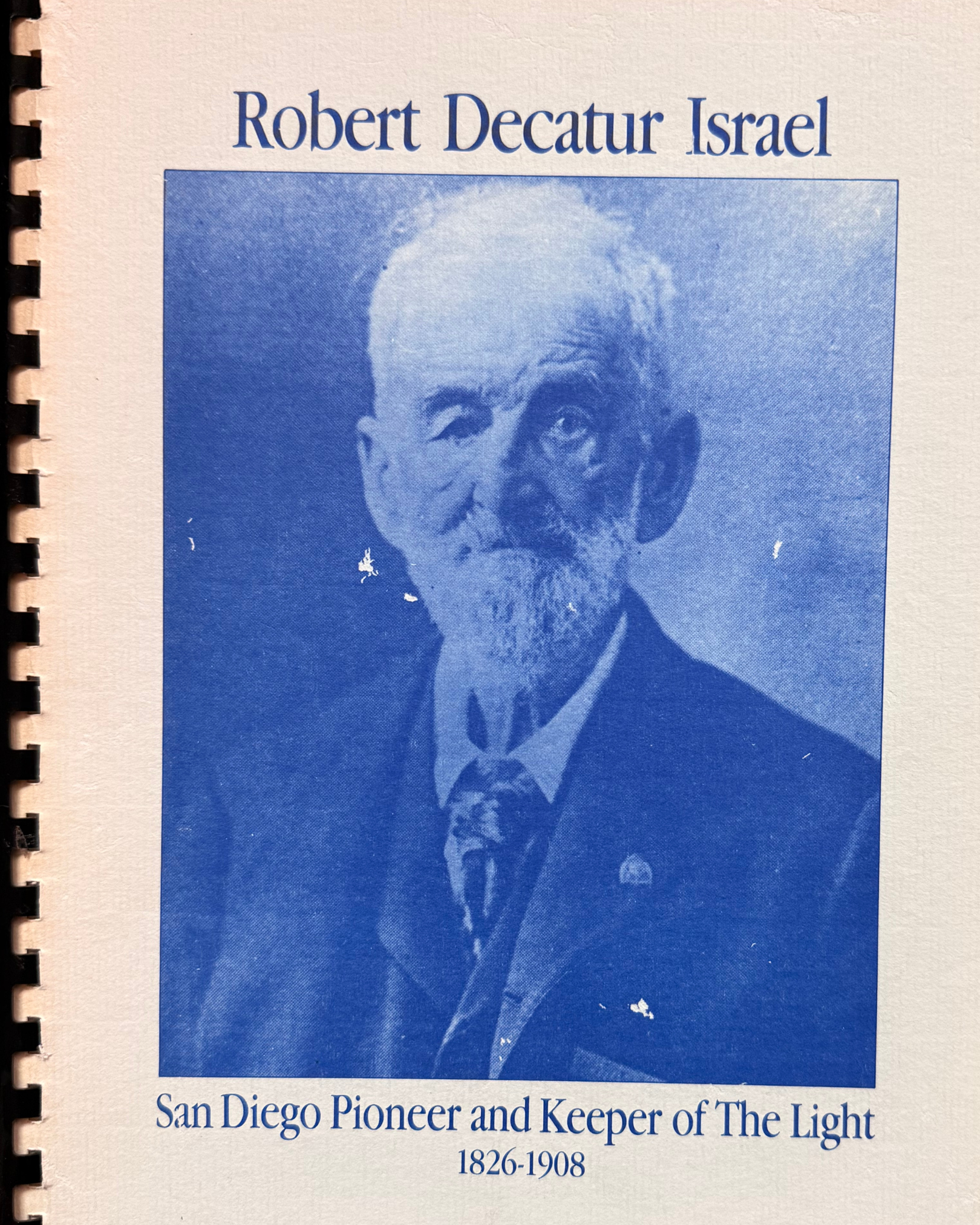
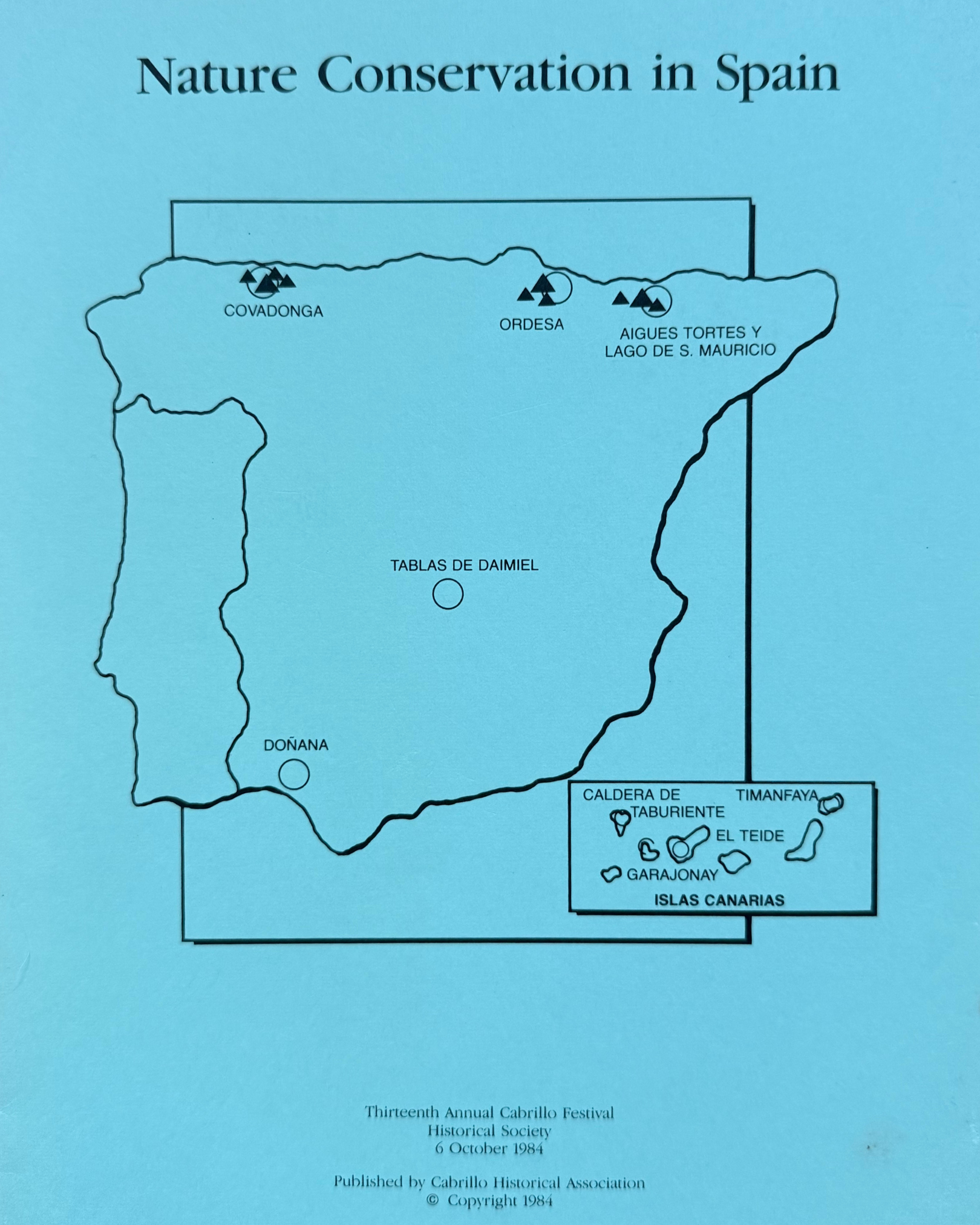
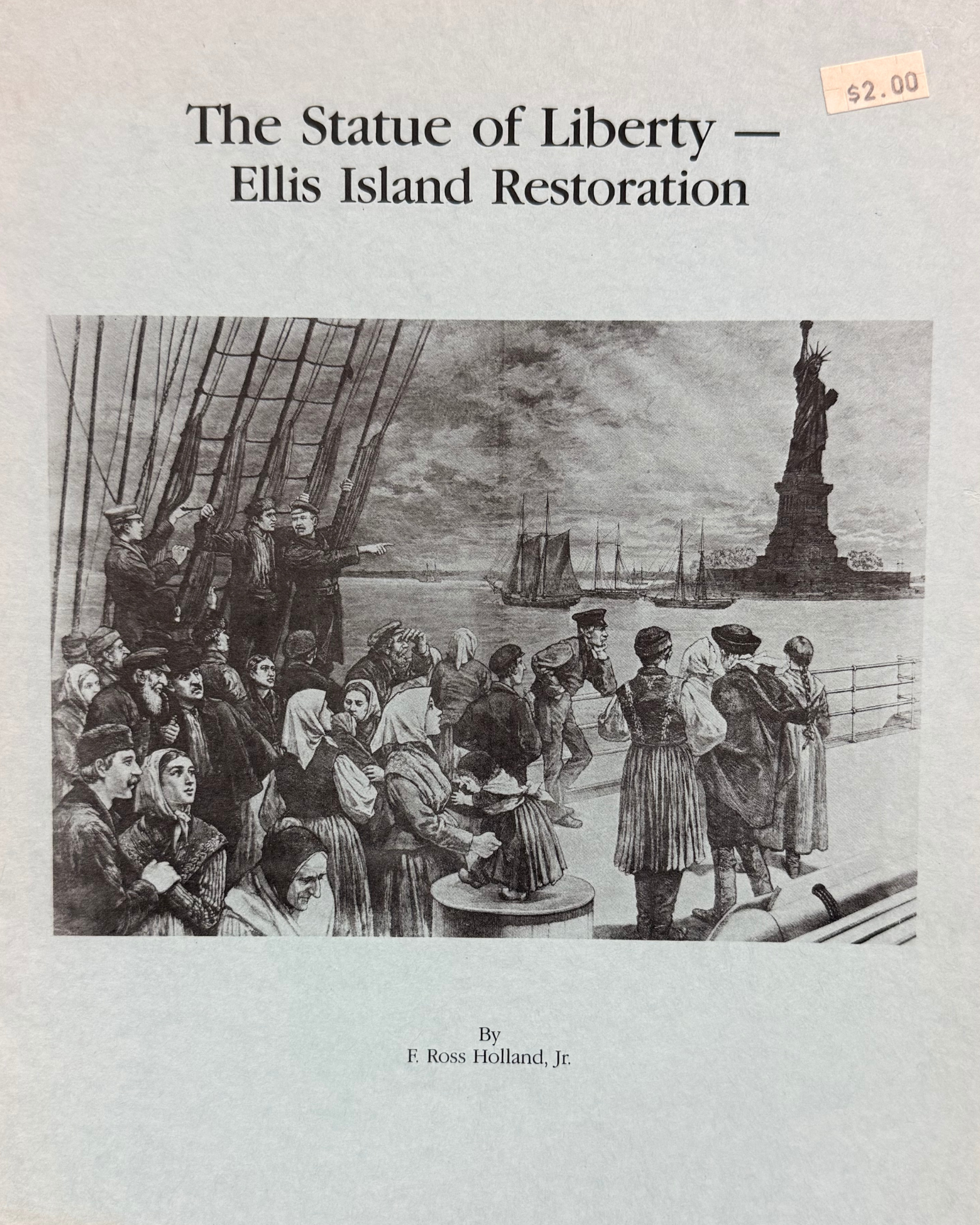
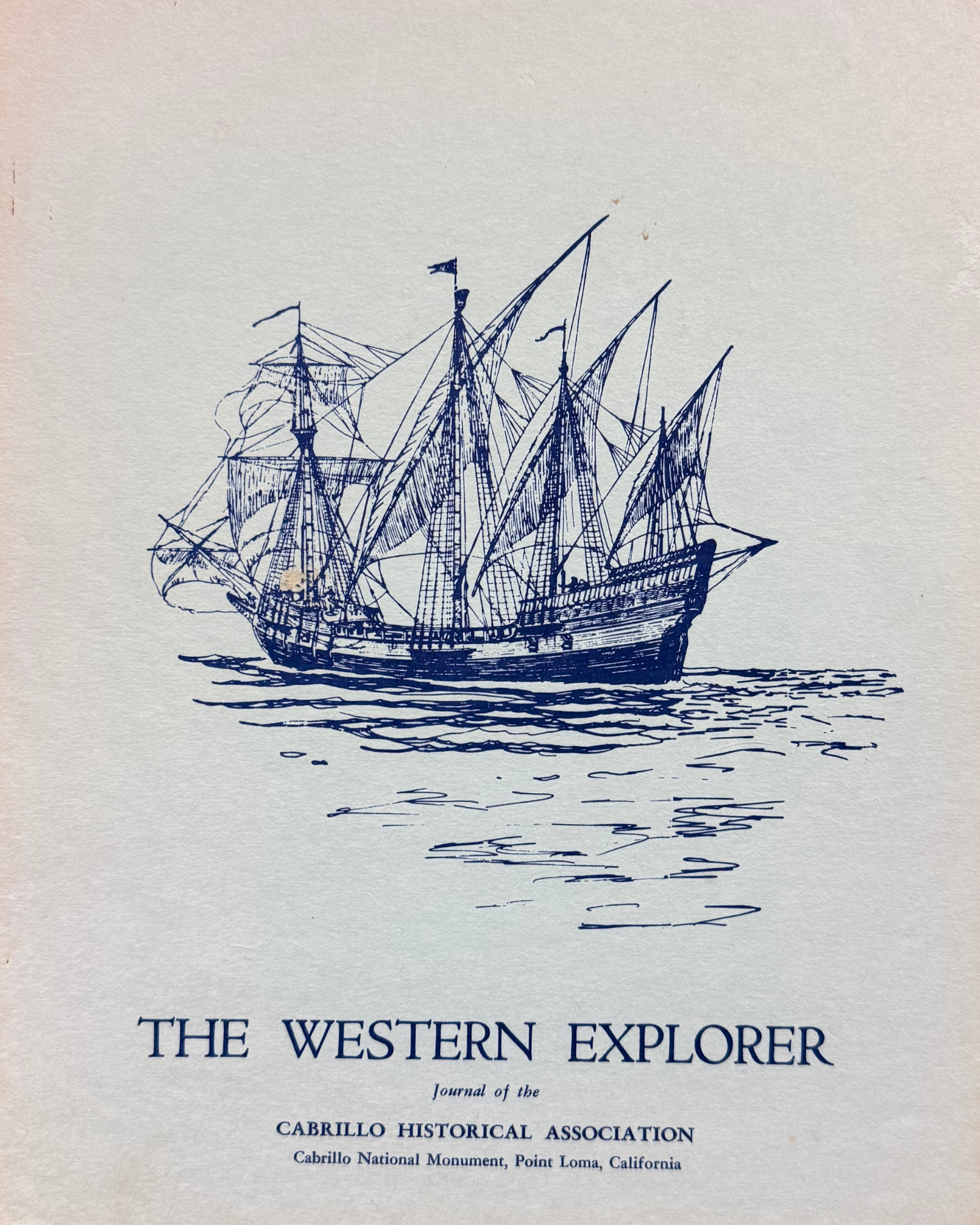
From the late 1960s through the 1990s, the scope of these publications continued to expand. As Cabrillo National Monument grew and visitor interest broadened, the Association supported works that placed the park within a larger regional and historical framework. Titles included “The Old Point Loma Lighthouse” (1968), “The Cabrillo Log” (1969), “The Cabrillo Era and His Voyage of Discovery” (1982), “Boats and Shipbuilding in San Diego” (1983), and “Robert Decatur Israel: San Diego Pioneer and Keeper of the Light” (1984).
The breadth of these publications underscores a lasting emphasis on education and interpretation, a focus that continues to shape CNMF’s work today.
A Turning Point: Becoming a Foundation
The Explorer, Autumn 1997
By the mid-1990s, it was clear that the Cabrillo Historical Association had outgrown its name.
In the Autumn 1997 issue of The Explorer newsletter, board chair Dr. Raymond Starr explained why the organization formally changed its name to Cabrillo National Monument Foundation. The article, titled “Cabrillo Group Becomes a Foundation,” framed the decision as both practical and symbolic.
“The change of its name from Cabrillo Historical Association to the new, more accurate designation: Cabrillo National Monument Foundation reflects both an effort to make the name correspond to the reality of the current nature of the association, and to signal a move into some new directions for the new century.”
The article noted that the Association’s work had expanded “way beyond the ‘history’ implied in the name.” While historical research remained important, the organization was increasingly supporting science, nature education, publications, and interpretive programs. The name change also reflected a growing focus on long-term financial support for the park.
“Because the future needs of the monument greatly exceed what the United States Congress is likely to provide, the cooperating association is looking to increase its role in providing financial assistance… It is developing a planned giving, living income, endowment program.”
The shift to a foundation was a public acknowledgment of what the organization had already become: a long-term partner invested in the Cabrillo National Monument’s future.
Recent History: Investing in the Park’s Future
Cabrillo National Monument greenhouse crew re-vegetate the native flora along the Oceanside Trail
In April 2024, Cabrillo National Monument Foundation completed its first capital project: construction of the Oceanside Trail. With philanthropic support donors and partners, CNMF raised more than $400,000 to build the new trail connecting the Whale Watch Overlook area to the lower intertidal zone and Coastal Trail.
The six-year project focused on improving access, safety, and the overall visitor experience. Prior to construction, the intertidal area was accessible only by driving between the upper and lower parking lots — a limitation for visitors arriving by bus and during periods when the smaller lower lot reached capacity.
Completion of the Oceanside Trail marked a significant milestone for CNMF, demonstrating the organization’s growing capacity to support large-scale infrastructure projects that enhance public access while protecting the park’s natural resources.
CNMF’s 2024 tagline reads “Move, Breathe, Remember, Discover at Cabrillo”
In the summer of 2024, CNMF marked this evolution with the launch of a new website, logo, and tagline. The tagline — Move, Breathe, Remember, Discover at Cabrillo — reflects the core experience pillars visitors might enjoy at the park, from exploring trails and coastal landscapes to connecting with history, culture, and nature. These pillars also align with CNMF’s key funding areas, reinforcing CNMF’s role in supporting programs and projects that enhance the Cabrillo experience.
Looking Ahead: The Next 70 Years
For seventy years, Cabrillo National Monument has been shaped not only by its landscapes and history, but by the people who chose to support it. From a handful of volunteers working out of the Old Point Loma Lighthouse to a fully-staffed Foundation capable of advancing major projects and programs, CNMF’s story is one of steady growth alongside the park it serves.
Looking ahead, CNMF remains focused on preserving Cabrillo’s cultural and natural resources while expanding opportunities for learning, exploration, and connection. As new generations discover the park, from coastal trails to historic landmarks, CNMF will continue to invest in experiences that make Cabrillo accessible, meaningful, and inspiring for all visitors.
References
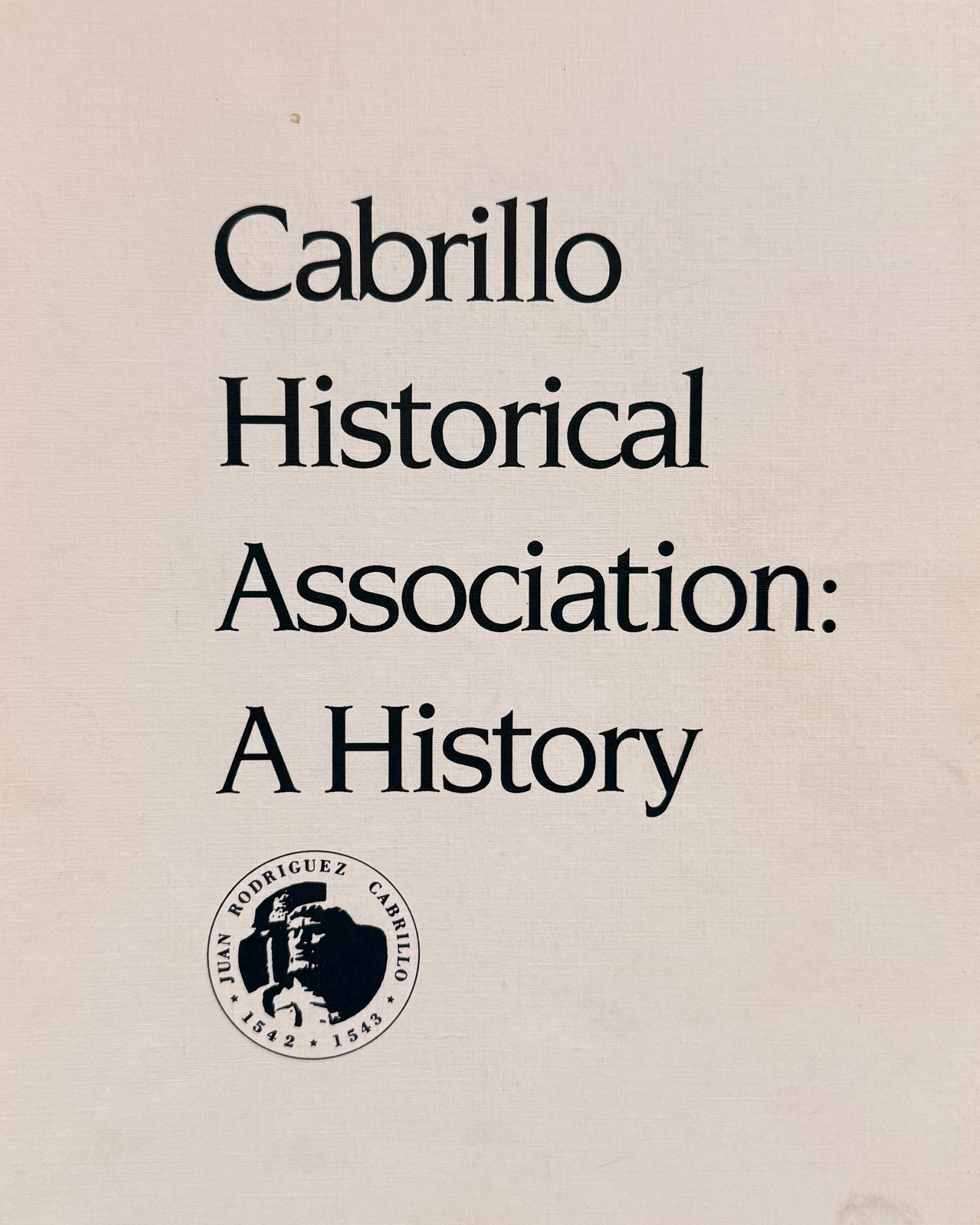
Cabrillo Historical Association Publications Committee. (1989). Cabrillo Historical Association: A History.