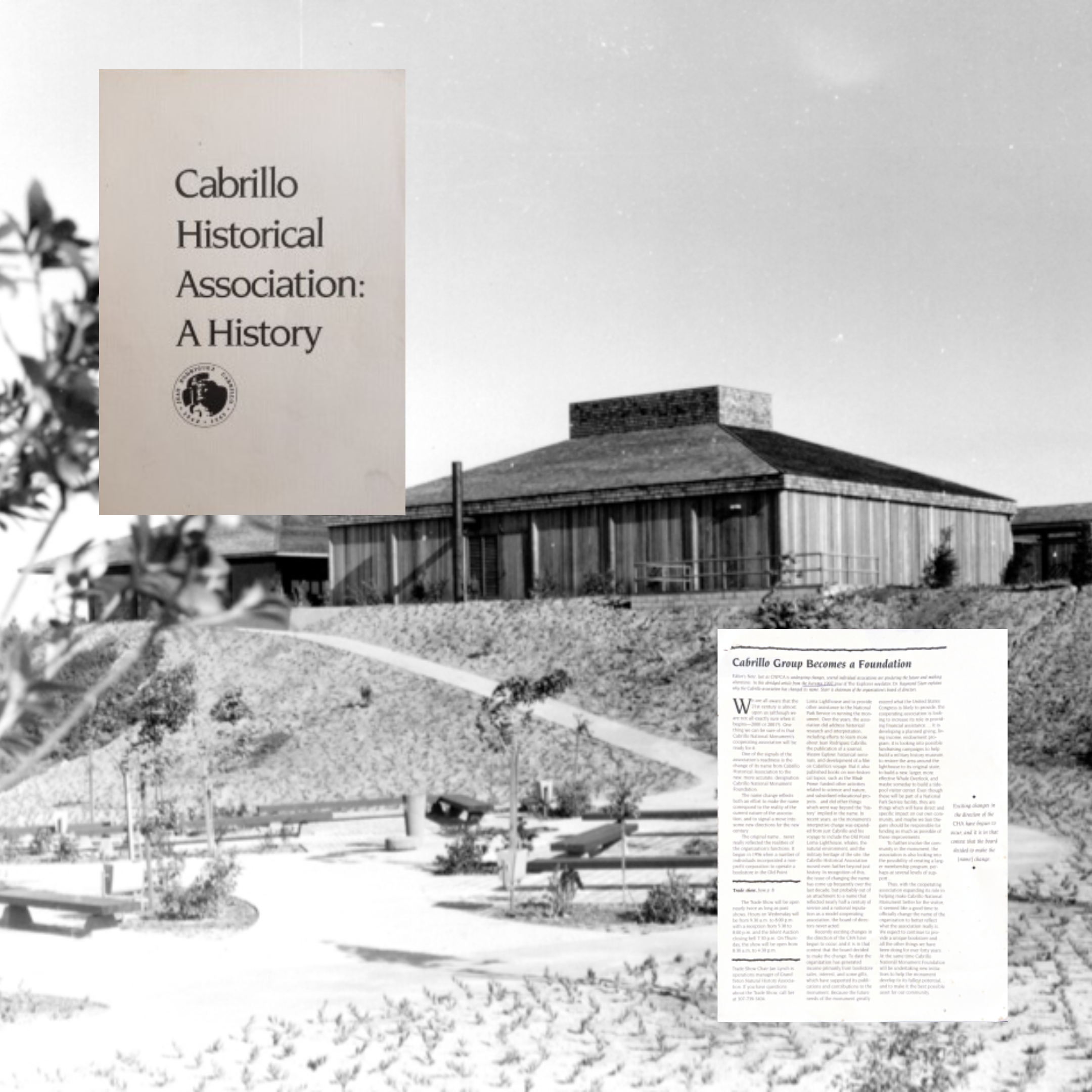
5 Education Programs to Take Learning Outside This School Year at Cabrillo National Monument
By Adriana Wolf, Senior Communications Coordinator
Looking for new ways to make learning come alive this school year? Cabrillo National Monument offers education programs that give students the chance to explore history, science, and nature firsthand. From tidepool ecosystems to historic landmarks, the park is full of opportunities to connect curriculum with real-world discovery.
Read on to discover 5 ways teachers, parents, educators, and learners can use Cabrillo as a living classroom. Plus, how Cabrillo National Monument Foundation (CNMF) helps support access to hands-on learning in San Diego’s only national park.
1. Claim Your Free Every Kid Outdoors 4th Grade Pass
If you have a 4th grader in your life, they can unlock a year of adventure, for free! The Every Kid Outdoors pass gives U.S. 4th grade students and their family members free entrance to more than 2,0000 national parks, lands, and waters for a full year. At Cabrillo, that means your student can learn about San Diego’s history, explore miles of trails, and discover intertidal species without paying an entrance fee.

Three elementary-aged park visitors point to the Grey Whale statue at Cabrillo National Monument / Photo Credit: Gary Junker
How to Get Your Every Kid Outdoors 4th Grade Pass:
Visit everykidoutdoors.gov.
Complete a short online adventure diary activity with your 4th grader.
Print your paper pass and bring it to Cabrillo National Monument or the next national park you visit!
Note: The pass is valid September 1 through August 31 of the student’s 4th grade year.
2. Organize a Ranger-Led Field Trip
Imagine your science or history lesson unfolding outdoors, in a national park. Cabrillo’s ranger-led field trip programs transform the park into an immersive classroom where students might study intertidal ecology, examine native plants, or step back in time at the Old Point Loma Lighthouse.
Cabrillo National Monument offers five science-based programs and two history programs, each designed to meet your class where they are. These field trips support 4th and 5th grade California history and social science standards, giving students a meaningful way to experience what they’re learning. And the learning doesn’t stop at the park—each program includes a downloadable lesson plan you can use before or after your visit to connect field-trip learning back to the classroom.
Thanks to CNMF and the National Park Foundation Open OutDoors for Kids Grant, educators bringing Title I classrooms and 4th grade students on park field trips may also qualify for bus funding. Field Trip reservations and bus funding applications are open now for the 2025–2026 school year!

View looking down the stairs inside the Old Point Loma Lighthouse / Photo Credit: Gary Severt
3. Earn Your Junior Ranger Badge
One of the most beloved programs at Cabrillo is the Junior Ranger Program, designed to help learners of all ages connect with the park through exploration, discovery, and curiosity. Visitors can pick up a free activity booklet at the Visitor Center, complete challenges as they explore, and then receive their official, wooden Junior Ranger badge.
This hands-on program not only encourages learners to observe and ask questions, but it also inspires them to protect the natural and cultural treasures around them.
Thanks to CNMF’s support, over 8,000 Junior Ranger booklets are printed each year and are available free of charge for every learner who visits Cabrillo National Monument.

Three elementary-aged park visitors earn their Junior Ranger badges in the Cabrillo Visitor Center / Photo Credit: G. Junker
4. Bring the Park to You with a Traveling Trunk
Cabrillo National Monument’s Traveling Trunk program offers educators across San Diego County a free, two-week loan of hands-on kits designed to bring the park’s science, history, and culture directly into the classroom.
Depending on the trunk, students might:
Examine the life cycles of local wildlife like gray whales and peregrine falcons,
Discover how native plants survive in San Diego’s dry climate,
Explore the importance of pollinators and the impact of climate change,
Or Learn about the culture and history of Kumeyaay people with games and crafts,
Each trunk is packed with educator resources and hands-on activities, tailored for the target grade range of the trunk.
Reserve your Traveling Trunk today and give your students the chance to explore Cabrillo’s natural and cultural treasures without ever leaving the classroom.
5. Discover Cabrillo with Volunteer-Guided Tours and Programs
Cabrillo’s dedicated volunteers bring the park’s resources to life through engaging programs and special events. Stop by the tidepool education table for expert tips on what’s living in the intertidal zone that day, or join a guided tour of a historic military bunker. Seasonal programs add even more variety, such as Open Tower Day, when visitors can climb to the very top of the lighthouse. In January, Whale Watch Weekend invites visitors to enjoy land-based whale watching, with binoculars and volunteer naturalists on hand to help spot migrating gray whales.

Volunteer engages with visitors at tidepool education table / Photo Credit NPS
These experiences are designed to be casual, fun, and interactive—perfect for families, homeschool groups, or anyone curious to learn more about Cabrillo National Monument!
Since programs depend on volunteer availability and season, make sure to check the Cabrillo National Monument website for the current public program offerings before your visit.
Whether you’re planning a field trip, teaching from the classroom, or exploring the park at your own pace, Cabrillo National Monument offers countless ways to learn about San Diego’s history and environment. Want to support education programs like Jr. Ranger and youth field trips? Make a donation to help CNMF continue providing education opportunities to nearly 1 million visitors each year.